How to Protect Your Home During a Renovation: Site Protection Tips from a Pinellas County Contractor
Keeping Your Home Safe While the Work Gets Done
A renovation is exciting. But without the right site protection in place, dust, debris, and foot traffic can cause real damage to the parts of your home you're not even touching.
At Remodel Rebel, we've worked on hundreds of projects across Seminole and the greater Pinellas County area. Here's what we've learned about keeping a home clean, safe, and damage-free from day one to final walkthrough.
Why Site Protection Matters
Drywall dust travels far. It can coat furniture, clog HVAC filters, and settle into hardwood flooring that wasn't part of the project at all.
Foot traffic from crew members can scratch LVP, scuff baseboards, and grind debris into carpet. A little planning upfront saves a lot of repair work later.
Good contractors think about this before they ever swing a hammer. It's part of professional project management, not an afterthought.
Step-by-Step: How We Protect Your Home on Every Job
- Walk the site before work begins. We do a pre-construction walkthrough to document existing conditions. This protects both you and us from disputes about pre-existing damage.
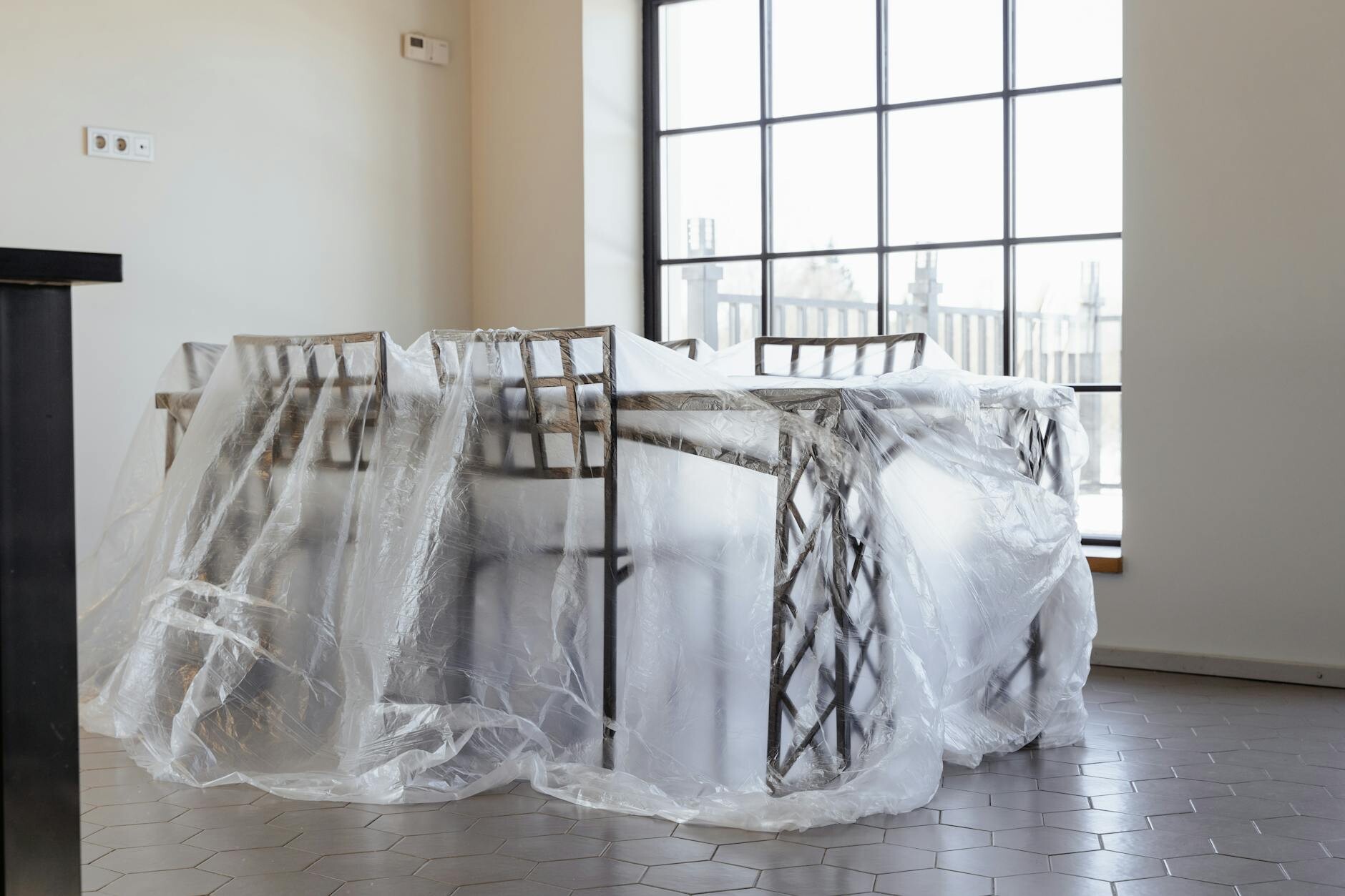
- Seal off work zones with poly sheeting. We use heavy-duty plastic sheeting and painter's tape to create dust barriers between active demo or drywall work and the rest of the house. This is especially important during demolition and drywall installation and finishing.
- Lay down floor protection. Ram Board, rosin paper, or surface protection film goes down over hardwood flooring, tile, and LVP before any materials or tools come through the door.
- Cover HVAC vents in the work area. Drywall dust and insulation particles can get pulled into your duct system. We tape off vents in active work zones to keep your air quality clean.
- Establish a single entry and exit path. Limiting foot traffic to one route through the home reduces the chance of damage to floors, trim, and finish carpentry in other rooms.
- Use a dedicated staging area. Materials like tile, cabinet components, and countertop slabs need a safe place to sit. We designate a staging zone — often a garage or driveway — to keep the interior clear.
- Clean up daily. At the end of each workday, debris gets swept, tools get organized, and the site gets reset. This isn't just courtesy — it's a safety and quality standard.
Special Considerations for Florida Homes
Pinellas County homes deal with humidity that most other states don't. Open walls during framing or stucco patch and repair work can let moisture in fast.
We pay close attention to weather forecasts and make sure exposed areas are properly covered or dried in before a rain event. Florida afternoons don't give you much warning.
If your project involves exterior painting or window replacement, timing and weather protection are part of the plan from the start — not something we figure out on the fly.
What You Can Do as a Homeowner
Clear out the rooms closest to the work zone before the crew arrives. Move furniture, rugs, and valuables to a safe area of the house.
Keep pets and kids away from the active work area. Construction sites have sharp materials, open floors, and tools that create real hazards.
Communicate with your project manager if something looks off. A quick conversation early is always easier than fixing a problem after the fact.
The Remodel Rebel Standard
Most of our work comes from referrals. That means every client we finish a job for is someone who could send us our next one.
We take site protection seriously because your home deserves to be treated with care — not just the rooms we're remodeling. From the first day of demo to the final walkthrough and punch list, protecting your property is part of the job.
If you're planning a renovation in Seminole or anywhere in Pinellas County, we'd love to talk through your project and show you how we work.